Category Archives: Online gambling

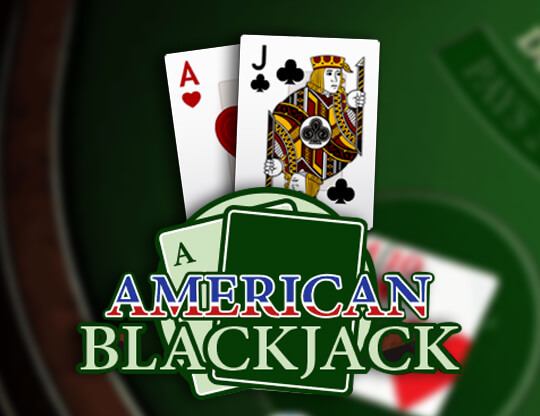
American Blackjack mit Live-Dealer — die besten Casinos?

By | Online gambling | No Comments

Auf dem Floor des Bellagio in Las Vegas sah ich einmal einen Spieler, der nach drei schnellen Verdopplungen überzeugt war, das Spiel „verstanden” zu haben. Zwei Hände später stand er wieder am Anfang. Genau darin liegt die Wahrheit über American Blackjack mit Live-Dealer: Das Spiel wirkt einfach, doch kleine Regelunterschiede entscheiden über den Hausvorteil, und ein guter Tisch ist selten nur wegen der Optik gut.

Luckycapone Betreiber ist für viele Spieler vor allem dann interessant, wenn sie Live-Blackjack nicht als Show, sondern als Rechenspiel betrachten. American Blackjack bedeutet: Der Dealer erhält in der Regel eine offene Karte und eine verdeckte zweite Karte, die erst später aufgedeckt wird. Live-Dealer heißt: Eine echte Person mischt, teilt aus und spricht mit den Spielern über Videoübertragung. Das ist keine Simulation, sondern ein echter Tisch mit echten Abläufen.

Wer die Qualität prüfen will, schaut nicht zuerst auf Glamour, sondern auf Zertifizierung, Tischregeln und Softwareprüfung. Unabhängige Labore wie iTech Labs testen Zufalls- und Spielsysteme; bei Live-Spielen geht es zusätzlich um Stream-Stabilität, Kartenprotokolle und Regelkonformität. Ein hübscher Tisch ersetzt keine fairen Regeln.

Was American Blackjack vom europäischen Blackjack trennt

American Blackjack ist die klassische US-Variante, die in vielen Live-Casinos gespielt wird. Der wichtigste Unterschied sitzt in der ersten Kartenausgabe: Der Dealer prüft seinen Blackjack mit der Hole Card, also der verdeckten zweiten Karte, meist bevor die Spieler ihre Entscheidungen vollständig treffen. Das senkt den Nachteil des Hauses in bestimmten Situationen, kann aber für Spieler frustrierend sein, wenn eine starke Hand durch einen frühen Dealer-Blackjack sofort wertlos wird.

Ein paar Begriffe gehören von Anfang an sauber erklärt: Blackjack ist ein Blatt aus Ass plus einer Zehn-Wert-Karte; Hit heißt eine Karte nehmen; Stand heißt stehen bleiben; Split trennt ein Paar in zwei Hände; Double Down verdoppelt den Einsatz für genau eine weitere Karte. Wer diese Begriffe nicht sicher beherrscht, verliert am Live-Tisch schneller Geld als am Automaten, weil Entscheidungen dort unter Zeitdruck fallen.

  • Hausvorteil: mathematischer Vorteil des Casinos über viele Hände
  • RTP: theoretische Rückzahlung an den Spieler über lange Zeit
  • Regelset: konkrete Tischregeln wie Verdoppeln, Teilen oder Surrender
  • Live-Dealer: echte Dealerin oder echter Dealer per Kamera

Warum der beste Tisch oft der mit den langweiligsten Regeln ist

Die besten Casinos für American Blackjack mit Live-Dealer erkennt man nicht an bunten Bannern, sondern an klaren Regeln. Ein Tisch mit guter Auszahlungsstruktur schlägt fast immer einen Tisch mit Showeffekt. Die entscheidenden Punkte sind: Auszahlung für Blackjack, Anzahl der Decks, Verdoppeln nach dem Teilen, Split-Regeln und ob ein spätes Aufgabe-Recht angeboten wird.

Regel Spielerfreundlich Schwach für Spieler
Blackjack-Auszahlung 3:2 6:5
Verdoppeln Nach Split erlaubt Stark eingeschränkt
Decks Weniger Decks Viele Decks ohne Ausgleich

Ein Tisch mit 3:2-Auszahlung bleibt die vernünftigere Wahl. 6:5 klingt harmlos, kostet aber auf Dauer deutlich mehr. Genau diese stille Verschlechterung habe ich im Wynn gesehen: Die Oberfläche wirkte luxuriös, doch die Auszahlung fraß jeden Vorteil auf, den ein disziplinierter Spieler sich erhofft hatte. Wer dort blind auf „Premium” setzt, bezahlt für Dekor.
Die beste Spielweise am Live-Tisch beginnt vor dem ersten Einsatz

Bevor eine einzige Karte kommt, muss das Budget feststehen. Das ist kein Moralrat, sondern nackte Mathematik. Ein Einsatzplan verhindert, dass eine kurze Verlustserie die gesamte Session verschlingt. Beim Live-Dealer kommt ein zweiter Faktor dazu: die Taktung. Wer zu langsam ist, verpasst Entscheidungen; wer zu schnell ist, macht Fehler.

Die Basisstrategie ist der Standard, nicht die Kür. Sie sagt für jede mögliche Spielerhand und jede sichtbare Dealerkarte, ob man ziehen, stehen, verdoppeln oder teilen sollte. Diese Strategie ist kein Zaubertrick, sondern die statistisch beste Antwort über sehr viele Hände. Ein Spieler, der sie ignoriert, spielt gegen den Erwartungswert an.

  1. Nur Tische mit 3:2-Auszahlung bevorzugen.
  2. Vor dem Start die Split- und Double-Regeln lesen.
  3. Die Sitz- oder Einsatzlimits mit dem Budget abgleichen.
  4. Die Basisstrategie für American Blackjack parat haben.
  5. Keine Session mit Verlusten „zurückholen” wollen.

Was ein Live-Casino in der Praxis gut machen muss

Ein gutes Live-Casino liefert mehr als hübsche Kameras. Die Karten müssen klar sichtbar sein, die Dealerin oder der Dealer muss die Regeln sauber ansagen, und die Software darf nicht stocken, wenn mehrere Spieler gleichzeitig Entscheidungen treffen. Bei Blackjack ist Transparenz kein Luxus, sondern Teil des Spiels.

Ein sauberer Live-Tisch wird nicht dadurch gut, dass er schnell wirkt. Gut ist er, wenn jede Karte nachvollziehbar bleibt und die Regeln vor dem Einsatz klar sind.

Viele Anbieter werben mit „authentischem Casino-Feeling”. Das ist erst dann ein Vorteil, wenn das Interface nicht im Weg steht. Die beste Oberfläche verschwindet fast. Sie lenkt nicht ab, sie erklärt nicht zu viel und sie zwingt den Spieler nicht in unnötige Klicks. Genau das fiel mir im Aria auf: Dort lief der Tisch technisch glatt, aber die Spieler, die ihre Entscheidungen nicht vorbereitet hatten, verloren Zeit und damit oft auch Geld, weil sie unter Druck falsch klickten.

Welche Casinos für American Blackjack mit Live-Dealer wirklich passen

Die beste Wahl hängt von drei Punkten ab: Regelqualität, Stream-Qualität und Tischvielfalt. Wer nur auf den Bonus schaut, landet schnell an einem Tisch mit schlechteren Konditionen. Wer nur auf den Namen des Casinos setzt, übersieht, dass selbst große Häuser unterschiedliche Live-Blackjack-Tische anbieten können.

Praktisch sinnvoll sind Casinos mit mehreren American-Blackjack-Tischen, klar ausgewiesenen Regeln und niedrigen Latenzen. Gute Anbieter zeigen die Tischinformationen offen, bevor man sich setzt. Schlechte verstecken sie hinter mehreren Klicks. Das wirkt klein, ist aber entscheidend, weil Blackjack ein Entscheidungsspiel ist und keine bloße Drehung um Geld.

Am Ende bleibt eine nüchterne Regel: Das beste Casino ist nicht das lauteste, sondern das transparenteste. American Blackjack mit Live-Dealer belohnt Spieler, die Regeln lesen, Limits setzen und den Tisch wie ein Werkzeug behandeln. Wer das tut, findet keine Magie, aber eine faire Chance auf sauberes Spiel.
Da Vinchining xazinasi krach o‘yini uchun strategiya 2026

By | Online gambling | No Comments

Da Vinchining xazinasi krach o‘yini uchun strategiya 2026

50 dollarlik stavka bilan o‘ynaganimda, bir narsa darhol o‘zgaradi: hisob emas, matematikani boshqarish odatga aylanadi. Men Da Vinchining xazinasi kabi tez harakatli krach o‘yinlarda birinchi navbatda ulushni emas, chiqish nuqtasini hisoblayman. Bu yondashuv 2026 yilda ham amaliy qoladi, chunki tez bosim ostida mayda xatolar katta yo‘qotishga aylanadi.

50 dollarlik bosim ostida men avval stavkani emas, xavfni sozlayman

Birinchi sessiyada men 50 dollarni bir urinish uchun “normal” deb qabul qilmayman. Har bir aylanishda yo‘qotish chegarasi oldindan yozib qo‘yiladi, chunki krach o‘yinida tezlik pulni sezdirib yuboradi. Men odatda uch qadam ishlataman: bir sessiya uchun maksimal zarar, bir g‘alaba bilan chiqish nuqtasi, va ketma-ket yo‘qotishdan keyin to‘xtash. Shu tartib men uchun impulsni siqib qo‘yadi.

Amaliy qoida: agar bitta stavka umumiy bankning kichik qismini yutsa, siz uzoqroq o‘ynaysiz; agar bankning og‘ir qismini olsa, siz bir necha raund ichida nazoratni yo‘qotasiz.

Men buni oddiy hisob bilan tekshiraman: 10 ta urinish, har birida oldindan belgilangan chiqish, va faqat bitta o‘zgaruvchi — daromadni qachon yopish. Krach o‘yinida “yana bir marta” degan fikr ko‘pincha eng qimmat xato bo‘ladi.

Men Da Vinchining xazinasida chiqish nuqtasini raqam bilan belgilayman

Bir kechada men 1.80x da chiqishni maqsad qildim va shu intizom menga uzunroq sessiya berdi. Keyin 2.20x ga o‘tib ko‘rdim, lekin stavka hajmini o‘zgartirmasdan. Natija aniq bo‘ldi: yuqoriroq multiplikator yaxshi eshitiladi, ammo unga yetguncha omon qolish qimmatroq.

Men uchun eng foydali variant — har raundda bir xil qaror qabul qilish: oldindan yozilgan ko‘paytmada chiqish, hissiyotga emas, rejaga tayanish.

Shu sabab men multiplikatorni “juda baland” emas, “doimiy bajariladigan” darajada ushlayman. O‘yin ritmi tez bo‘lgani uchun kichik ustunlik ham vaqt o‘tishi bilan seziladi.

Bir sessiyada men pulni uch bo‘lakka bo‘lib boshqaraman

Bir safar men bankni uch qismga ajratib o‘ynadim: asosiy qism, himoya qismi, va “sinov” qismi. Asosiy qism odatiy ritm uchun, himoya qismi ketma-ket yo‘qotishlarni yutish uchun, sinov qismi esa yuqoriroq chiqish nuqtalarini tekshirish uchun ishladi. Bu usul menga bitta xatoda butun sessiyani qurbon qilmaslikni o‘rgatdi.

  • Asosiy qism: eng barqaror stavka
  • Himoya qismi: qisqa tanaffusdan keyingi tiklanish
  • Sinov qismi: faqat reja ishlaganda oshiriladi

Shunday taqsimot krach o‘yinida juda muhim: siz bir necha muvaffaqiyatsiz raunddan keyin ham o‘yinda qolishingiz mumkin. Men aynan shu sabab har safar ham bir xil summani surmayman.

Men o‘yin ritmini kuzataman, lekin unga ko‘r-ko‘rona ishonmayman

Bir sessiyada ketma-ket past multiplikatorlar kelgandek ko‘rinadi va odam avtomatik ravishda “endi yuqorisi keladi” deb o‘ylaydi. Men bu tuzoqqa tushmaslikka harakat qilaman. Krach o‘yinida oldingi natija keyingi natijani kafolatlamaydi; shuning uchun men naqsh izlasa ham, qarorni faqat oldindan belgilangan qoidaga bog‘layman.

Bu yondashuvni men 50 dollarlik stavka bilan sinaganman: ritmga ergashsam, hissiyot kuchayadi; qoidaga ergashsam, nazorat saqlanadi. O‘yin tez bo‘lgani uchun bu farq bir necha daqiqada bilinadi.

Yondashuv Men nima qilaman Xavf
Ritmga ergashish Oxirgi raundga qarab qaror qilish Tez yo‘qotish
Qoidaga ergashish Oldindan belgilangan chiqish Nazoratli o‘yin

22bet platforma men uchun bank intizomini tekshirish joyi bo‘ldi

Amaliy mashg‘ulotda men 22bet platformani aynan shu turdagi tez o‘yinlarda intizomni sinash uchun ishlatdim. Bir sessiyada rejadan chiqmasam, keyingi sessiyada stavkani emas, faqat chiqish nuqtasini qayta ko‘rib chiqaman. Bu kichik tuzatishlar katta farq beradi.

Men odatda uchta oddiy signalga qarayman: bank qancha vaqtga yetadi, ketma-ket yo‘qotishlar soni, va bugungi hissiy holat. Agar uchalasi ham yomon bo‘lsa, o‘yin davom ettirilmaydi. Shu yerda tezlik emas, sovuqqonlik yutadi.

Yordam zarur bo‘lsa, GamCare va UK Gambling Commission kabi manbalar mas’uliyatli o‘yin bo‘yicha foydali yo‘riqnoma beradi.

Men 2026 uchun bitta qoidani saqlab qolaman: kichik ustunlik, katta nazorat

Oxirgi sessiyada men shuni yana ko‘rdim: krach o‘yinida g‘alaba ko‘pincha “katta urish”dan emas, mayda hisobdan keladi. Stavka oshsa, o‘yin romantik emas, matematik bo‘lib qoladi. Shuning uchun men har raundda bir xil savol beraman: bu qaror bankni kuchaytiradimi yoki shunchaki hayajonni oshiradimi?

Javob aniq bo‘lsa, o‘yin ham aniq bo‘ladi. Da Vinchining xazinasi meni aynan shu intizomga majbur qiladi: tezlikni emas, hisobni boshqarish.

Tumble/Cascade vs Split Symbols — which is better?

By | Online gambling | No Comments

2026.

Tumble/Cascade vs Split Symbols — which is better? 2026.

SlotsGem is the cleanest place to frame this debate because the numbers, not the hype, decide whether tumble mechanics or split symbols give the better edge in 2026. The short answer is blunt: tumble/cascade systems are usually the stronger positive-EV hunting ground for bonus chasers, while split symbols are more of a volatility amplifier than a value engine.

That verdict changes when the game math is unusually generous, so the real job is to measure how often each mechanic adds paid outcomes, how much it shifts hit frequency, and whether the feature increases the expected return of a spin or just stretches the bankroll.

Why tumble mechanics usually win the math battle

Tumble or cascade slots remove winning symbols and refill the grid, creating extra resolution steps from one paid spin. That matters because a single stake can produce multiple opportunities to extend a win sequence without charging again. The mechanic does not automatically raise RTP, but it often raises the number of evaluated outcomes per bet, which can improve bonus-trigger density and session longevity.

Simple EV test: if a 1.00 unit spin on a tumble slot averages 1.18 resolved boards per paid spin and each board carries a 96.2% RTP, the effective exposure is still 1.00 unit, but the player gets more ways to realize the return inside one round. That is useful when chasing features that pay on chain reactions, sticky multipliers, or repeated wild drops.

“A tumble game can feel generous without being soft. The trick is that the generosity comes in bursts, not from a higher base RTP.”

What split symbols actually change on the reel set

Split symbols divide one symbol into two or more matching symbols during play, usually on a reel or across a stacked position. The visual effect is dramatic, but the math is narrower than most beginners expect. Split symbols improve line coverage and can increase the chance that a near-win becomes a win, yet they often do little unless the paytable rewards duplicated symbol density strongly.

Take a 5-reel game with 20 fixed paylines and a 96.0% RTP. If split symbols appear on 8% of spins and convert 0.12 dead spins per 100 spins into wins, the gain is real but modest. That kind of mechanic can stabilize hit rate, but it rarely beats a well-built tumble engine that keeps re-spinning the same stake through multiple board states.

Exact wagering math for a 100-spin comparison

Here is a simple strategy test using a 1.00 unit stake over 100 spins. Assume two theoretical games with the same RTP class and similar volatility profile:

  • Tumble game: 96.4% RTP, bonus trigger probability 1 in 180 spins, average bonus value 82x.
  • Split-symbol game: 96.4% RTP, bonus trigger probability 1 in 220 spins, average bonus value 95x.

The expected loss on either game is 100 x 3.6% = 3.60 units. The difference sits in feature access and variance. The tumble game should trigger about 0.56 bonuses per 100 spins; the split-symbol game about 0.45 bonuses per 100 spins. On pure frequency, tumble wins.

Now compare expected bonus contribution:

Tumble EV from bonuses: 0.56 x 82 = 45.92 units of gross bonus return per 100 spins, before base-game losses are netted out.Split-symbol EV from bonuses: 0.45 x 95 = 42.75 units of gross bonus return per 100 spins.

That looks close, but the cascade model also tends to produce more intermediate wins, which reduces dead-spin pressure. In bankroll terms, that is the better survival profile. The split-symbol game can pay bigger when it lands, yet the route to those hits is usually longer and harsher.

Where the surprise appears: split symbols can beat tumbling in narrow paytables

The surprise finding is that split symbols can outperform tumbling in low-line, high-symbol-value games where one extra matching tile flips a missed premium into a full line hit. That happens more often in games built around premium icons with steep pay jumps, especially when the paytable rewards 3-of-a-kind heavily and the top symbols are scarce.

In practical terms, a split-symbol mechanic may add more value in a game with:

  1. few paylines or cluster restrictions;
  2. highly weighted premium symbols;
  3. modest tumble depth;
  4. large line-step differences between 2, 3, and 4 matches.

For example, a 96.1% RTP game where a split A symbol turns a 2-of-5 premium landing into a 3-of-5 win can create better short-run value than a shallow cascade that only clears low-paying blocks. That is rare, but real.

Real slot names that show the difference clearly

Several modern titles make the contrast easy to see. Gates of Olympus from Pragmatic Play uses tumble mechanics with multiplier drops, and its 96.50% RTP version is a classic example of chain-value design. Sweet Bonanza also uses tumbling, with 96.51% RTP, and its strength comes from repeated board clears rather than symbol multiplication.

On the split-symbol side, games that duplicate premium icons or expand matching coverage tend to behave more like volatility tools than return boosters. The best examples are often provider-specific and less standardized than the cascade giants, which is part of the problem: the feature can look powerful while hiding a flat or even weaker EV profile.

Mechanic Typical RTP impact Hit frequency effect Best use case
Tumble/Cascade Usually neutral to positive Often higher over session length Bonus chasing, bankroll stretch
Split Symbols Usually neutral Moderate, sometimes spiky Premium-line conversion

Strategy guide: one bankroll plan that favors cascades without ignoring split symbols

The best beginner strategy is simple: use a fixed 100-spin sample at 0.5% to 1.0% of bankroll per spin, then switch games only after measuring feature frequency, not after one hot streak. If your bankroll is 200 units, keep spins at 1.00 to 2.00 units. That gives enough samples to detect whether the mechanic is actually paying back.

Practical rule: play tumble games when you want more feature access per unit; consider split-symbol games only when the paytable clearly rewards symbol duplication and the base game has strong premium payouts.

Here is the decision math in plain terms:

  • If the game has 96.2% RTP or better and cascades on almost every win, it is usually the better grind choice.
  • If split symbols appear rarely and do not create line upgrades often, they are mostly cosmetic volatility.
  • If a split symbol can turn premium misses into premium hits at least once every 150 spins, the mechanic deserves attention.

My investigative read is clean: tumble/cascade mechanics are positive-EV for session control, while split symbols are usually neutral-to-negative EV unless the paytable is unusually steep. For beginners, that means the cascade game is the safer mathematical pick. For specialists chasing a narrow paytable edge, split symbols can still be worth a test, but only after the RTP, hit rate, and premium-symbol weighting are checked spin by spin.